
With respect to the first-best allocation, unlike the previous case where the government also increased its quality in order to attract more demand, now in turn it reduces its quality, triggering a reduction in the quality offered by the black market firm, given the strategic complementarity. While the inefficiency related to health damage misperception is only addressed with one instrument, the government makes use of both prices and qualities to fight black market activity. From the expression in (16) we see that the quality of the public firm is increasing in the degree of undesirability of black market profits.
For this reason, people have to go through illegal means to obtain these drugs. But if a retailer wants to evade tax, and they decide to sell it off on the black market, then they become illegal. This article aims to shed light on the topic, particularly what the pharmaceutical black market is, the types of drugs that can be found there, and the dangers of getting involved in it.
This stage was marked by increased violence as different cartels fought for control of export markets. The business of drug trafficking can be seen in several stages in Colombia towards the latter half of the 20th century. While it was active in the drug trade since the 1930s, Colombia's role in the drug trade did not truly become dominant until the 1970s.
The black market illegal drugs trade poses significant risks to individuals and communities, affecting public health and safety worldwide. Understanding this clandestine economy reveals underlying issues and informs society on how to combat substance abuse and trafficking. This article seeks to shed light on the complexities surrounding the black market illegal drugs, offering vital insights into its functioning, consequences, and the potential avenues for prevention and recovery.
Black Market Illegal Drugs
- Analytical Services International, at St George's University of London examined the drugs.
- It often intersects with other illicit trades like drug and arms trafficking, perpetuating a cycle of abuse and violence.
- In the context of a mixed duopoly under vertical differentiation, the analysis of Grilo (1994) shows that direct public intervention in the market suffices to decentralize the social optimum allocation.
- One such individual, Eldi Dizdari was accused of international drug trafficking and was living in Dubai.
- From 1999 to 2020, nearly 841,000 people died from drug overdoses, with prescription and illicit opioids responsible for 500,000 of those deaths.
The black market illegal drugs sector thrives due to a variety of factors, including socioeconomic conditions, demand for substances, and inadequate legal regulations. Here’s an overview of the primary elements involved:
How the Black Market Operates
- With a large wave of immigrants in the 1960s and onwards, the United States saw an increasingly heterogeneous public.
- Such operations have proven very difficult for copyright holders to combat legally, due to their decentralized nature and the cheap widespread availability of the equipment needed to produce illegal copies for sale.
- This illicit connection enables individuals and criminal organizations to fund their illegal activities while obfuscating the origins of illegally obtained funds.
- Here we consider a situation where the public firm is constrained to make non-negative profits and we study the impact of this restriction on equilibrium qualities.
- If the public firm supplies the low quality product when constrained to make non-negative profits, then adding a first-mover advantage in the quality selection stage improves welfare, provided that consumers suffer from misperception of the health damage caused by THC.
- Trade-related black market activities also undermine legitimate businesses in several ways.
- Supply and Demand: High demand for drugs often leads individuals to seek substances through illegal means.
- Distribution Networks: Sophisticated networks facilitate the distribution of drugs, often utilizing technology to evade law enforcement.
- Price Variability: Prices for illegal drugs fluctuate significantly based on availability and risk factors associated with trafficking.
Common Types of Illegal Drugs
Among the numerous substances traded on the black market illegal drugs scene, some of the most prevalent include:
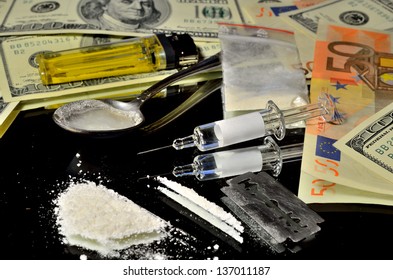
- Opioids: Such as heroin and synthetic opioids, which are highly addictive and often result in severe health crises.
- Cocaine: A potent stimulant that can lead to serious cardiovascular issues and addiction.
- Marijuana: While legalization efforts are increasing, illegal cultivation and distribution continue in many regions.
- MDMA: Commonly known as ecstasy, this drug is often associated with club culture and has risks of overheating and dehydration.
Impacts of the Black Market
The ramifications of the black market illegal drugs trade extend far beyond individual users:
- Health Risks: Substance abuse can lead to long-term health issues, including mental health disorders and infectious diseases.
- Crime: Drug trafficking is often linked with violence, theft, and other criminal activities that disrupt communities.
- Economic Costs: The illegal drug trade burdens healthcare systems, law enforcement, and social services.
FAQs About Black Market Illegal Drugs
What drives individuals to use illegal drugs?
Factors such as peer pressure, mental health issues, trauma, and socioeconomic challenges contribute to the use of illegal drugs.
How can communities combat the black market for illegal drugs?
Communities can address this issue by strengthening education, providing support services, promoting awareness, and advocating for evidence-based policies.
What role does policy play in the illegal drug market?
Stringent laws can create a demand for illegal substances, while balanced regulations and harm reduction strategies can help mitigate the impact.
Conclusion
Understanding the black market illegal drugs and its existence is crucial in fostering awareness and generating conversations about prevention and recovery. Through education and community engagement, society can take actionable steps towards reducing the adverse effects of this illicit trade, ultimately saving lives and promoting healthier futures.