The internet is a vast resource, but much of its potential remains hidden beneath the surface, often referred to as the "dark web." Understanding how to access the dark web can open up a world of information, tools, and communities that are not available through standard internet browsing. In this article, we will explore what the dark web is, why people access it, and how to do so safely and responsibly.
The "surface web" is the extensive array of websites and is easily accessible information that we use on a daily basis. Also, since illegal and disturbing content abounds, and it is still illegal to access illegal content even if it's harder for the authorities to track you down, click and surf with extreme caution. Be wary of buying services or products, even those that aren't illegal, because the dark web's anonymity makes it a haven for scammers. Dark websites end with ".onion" instead of the typical ".com," ".edu," ".org" or whatnot. Tor is useful in countries where internet access is monitored or restricted.
- Tools scan marketplaces, forums, and paste sites to generate actionable intelligence, allowing cybersecurity teams to proactively defend against potential attacks.
- These techniques make it extremely difficult for authorities or attackers to trace activity back to a user, which is why the dark web is popular among both privacy advocates and cybercriminals.
- Dark web search engines provide limited indexing, but directories and forums often serve as the primary navigation tools.
- Most malware infections can be caught by your endpoint security programs.
- Before accessing the dark web, install strong security software to help keep your device protected.
What is the Dark Web?
The dark web is a part of the internet that is not indexed by traditional search engines like Google or Bing. It requires specific software and configurations to access, which helps to ensure anonymity for both users and providers. While it is often associated with illegal activities, the dark web also hosts forums, resources, and communities focused on legitimate topics, such as privacy advocacy, political dissent, and information sharing.
The part of the Web that’s accessible using search engines—sometimes called the Surface Web—is actually just a small piece of the overall World Wide Web. Because of the built-in anonymizing features and encryption, the Dark Net is also host of many criminal websites, marketplaces and networks. You can access many fun and interesting websites through this browser, also many which co-exist on the regular Internet. Whether you need data security, endpoint management or identity and access management (IAM) solutions, our experts are ready to work with you to achieve a strong security posture.
Why Do People Access the Dark Web?
There are various reasons individuals may choose to access the dark web. Some of these include:
- Privacy and Anonymity: Many users are drawn to the dark web for its ability to provide a level of anonymity that is hard to achieve on the surface web.
- Access to Restricted Information: Individuals living in oppressive regimes may seek out the dark web to obtain news and information that are censored.
- Community and Support: There are forums on the dark web dedicated to sensitive topics where individuals can discuss their experiences in a safe environment.
- Research Purposes: Scholars and researchers may explore the dark web to study its contents and the implications of online anonymity.
How to Access the Dark Web Safely
For those who wish to explore the dark web, safety should be a top priority. Here are steps to access the dark web responsibly:
- The surface web, which is also called the visible web and the open web, is any website that search engines can add to their database.
- Dark web search engines and forums like Reddit can help you find reliable dark websites, and you’ll need to use a dark web browser to visit them.
- It’s possible to buy and sell illegal drugs, malware, and prohibited content in darknet marketplaces.
- The dark web, on the other hand, is a small portion of the deep web that has been intentionally hidden and is inaccessible through standard web browsers.
- If you’ve ever experienced an uptick in phishing attacks and spam after a data leak or breach, it may be because your personal information has been posted to the dark web.
- It also opened the way for sharing illegal pornographic material and pirated data.
1. Use a VPN
A Virtual Private Network (VPN) encrypts your internet connection, adding an extra layer of security. This helps to mask your IP address, making it difficult for anyone to track your online activities.
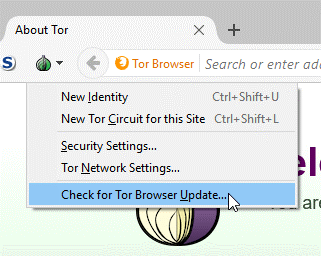
2. Download Tor Browser
The .onion sites of the dark web are primarily accessed via the Tor browser. Tor anonymizes your browsing by directing your traffic through multiple servers, making it challenging to trace back to your location. Make sure to download it from the official website to avoid malicious software.
3. Stay Informed and Cautious
Become familiar with common risks associated with the dark web. Avoid sharing personal information, clicking on suspicious links, and downloading unknown files. Only visit reputable sites and engage with trusted communities.
4. Use Encryption Tools
Utilizing encryption tools when communicating on the dark web can secure your conversations from prying eyes. Look for platforms that offer end-to-end encryption.
Potential Risks of the Dark Web
While the dark web can be a hub for useful information and community support, it comes with inherent risks:
- Legal Consequences: Accessing illegal content or engaging in illicit activities can lead to serious legal repercussions.
- Scams and Fraud: The dark web is rife with scams; always proceed with caution when dealing with unknown entities.
- Exposure to Malware: Downloading files or clicking on links from untrusted sources can result in malware infections.
Conclusion
Learning how to access the dark web responsibly can provide valuable insights and resources. It is crucial to prioritize safety and remain aware of the potential risks involved. Whether for privacy, research, or community engagement, understanding both the advantages and challenges can help individuals navigate this hidden part of the internet wisely.