
The digital age has brought about significant advancements in payment methods, making transactions more convenient and efficient. However, this also paved the way for darker avenues, leading to the rise of illegal activities like credit card fraud. One such infamous avenue is the black market for credit card dumps, which has become a concerning issue for individuals and businesses alike. This article will delve into the workings of this underground economy, emphasizing the importance of awareness in protecting oneself from potential threats.
As law enforcement agencies and cybersecurity experts continuously work to shut down such operations, the resilience of these platforms demonstrates the complex and treacherous landscape of online crime. For those researching the dynamics of these dark web marketplaces, understanding the operations and risks involved with sites like Brian’s Club is crucial. Despite this, platforms like Brian’s Club continue to thrive in the shadowy corners of the internet, a testament to the ongoing demand for fraudulent financial information. The allure of such marketplaces is not just in the sheer volume of information available, but also in the perceived low risk of getting caught.
The process begins with the theft or purchase of credit card information, which includes the cardholder’s name, credit card number, expiration date, and CVV code. The dark web operates similarly to legitimate e-commerce platforms, with buyers browsing through listings and selecting cards to purchase using cryptocurrency or other anonymous payment methods. It's a marketplace where sellers offer a range of Credit Card Dumps for sale, often including details like the card's balance and country of origin. This password unlocked the credit histories and personal information of many Sears customers, which were subsequently used to obtain their credit card numbers. Credit cards are designed to facilitate easy and secure transactions, but they can also be vulnerable to unauthorized use. A credit card dump is essentially a digital copy of your credit card information, which can be used for malicious purposes.
With the growing threat from cybercriminals who sell stolen credit card information on the deep web and dark web, businesses need to stay ahead of the game. The primary purpose of acquiring such dumps is for committing fraud, such as creating counterfeit cards or making unauthorized online purchases. Large-scale data breaches at retail or financial services companies can also result in the loss of vast numbers of credit card details. A similar breach at Home Depot resulted in the theft of data belonging to around 56 million credit cards.
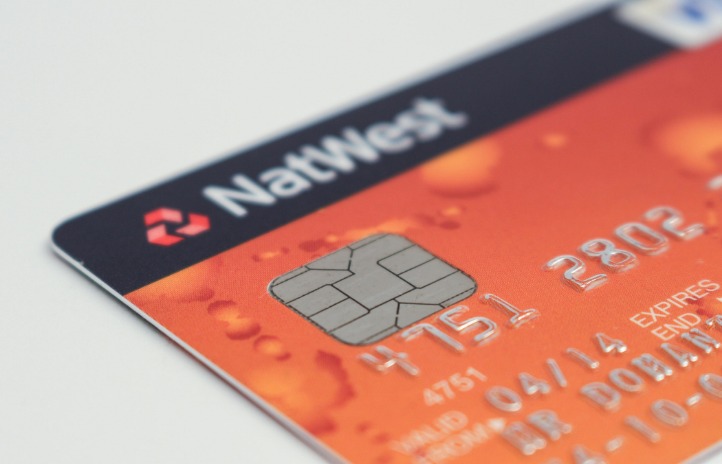
Black Market Credit Card Dumps
- The proliferation of black market credit card dumps has significantly altered the landscape of financial crime in contemporary society.
- Credit card dumps happen when thieves physically copy your credit card information or hack into company payment databases that contain that information.
- According to Cyble researchers who first spotted it, the leaked information is extensive, with details on "at least 740,858 credit cards, 811,676 debit cards, and 293 charge cards."
- Monitoring illicit credit card activity is a critical aspect of modern cybersecurity, particularly when addressing the threat posed by black market credit card dumps.
- These dumps are essentially stolen credit card information gathered from data breaches and sold on illicit platforms.
Credit card dumps are essentially the electronic equivalent of stealing credit card information. They are created by illegally copying the data stored on the magnetic stripe of a credit or debit card. These dumps can then be sold on dark web marketplaces, where criminals use them to make unauthorized purchases or commit identity theft.
How Credit Card Dumps Operate
The process of creating and distributing credit card dumps typically involves several steps:
- Data Theft: Criminals use various methods, such as skimming devices placed on ATMs or point-of-sale terminals, to capture credit card details.
- Dump Creation: The stolen information is compiled into a format that can be sold, often including card numbers, expiration dates, and CVVs.
- Marketplaces: These dumps are then uploaded to dark web marketplaces where they are sold for a price, usually in Bitcoin or other cryptocurrencies to maintain anonymity.
- Usage: Once obtained, buyers can use the dumps for fraudulent transactions or sell them to further their illegal activities.
Risks Associated with Credit Card Dumps
- Financial Loss: Victims may face significant financial repercussions if their cards are used without authorization.
- Identity Theft: Stolen information can lead to broader identity theft issues, affecting an individual’s credit and financial health.
- Legal Consequences: Individuals caught buying or selling credit card dumps may face severe legal penalties, including imprisonment.
Protecting Yourself Against Credit Card Fraud
Awareness is the first step toward protection. Here are some tips to safeguard yourself from credit card fraud:
- Monitor Accounts: Regularly check bank statements and credit reports for any unusual activity.
- Use Strong Passwords: Implement complex passwords and two-factor authentication for online accounts.
- Shop Securely: Only use trusted websites for online purchases, ensuring they offer secure payment options.
- Be Cautious with Personal Information: Never share sensitive information over unsecured channels.
FAQs
What are credit card dumps?
Credit card dumps are digital files containing stolen credit card information, including card numbers, expiration dates, and CVVs, often extracted using skimmers.
How are credit card dumps sold?
They are typically sold on dark web marketplaces, often using cryptocurrencies to maintain anonymity.
What can I do if my information is compromised?
If you suspect your information has been compromised, contact your bank immediately, change your passwords, and consider monitoring your credit for unusual activity.
Understanding the illicit trade of black market credit card dumps is crucial to safeguarding personal information. Awareness and proactive measures can significantly reduce the risk of falling victim to credit card fraud and its associated dangers.