With all this data, your ISP could create a very accurate profile of you and link it to your IP address. Sometimes, they even know more than you would like about private matters, such as your health or finances. So, if you aspire to use Tor privately, you can use VPN or Tor gateways (Tor nodes that are not publicly indexed). It is highly advisable to take all the necessary security measures discussed in this article to protect yourself.
The internet is a vast landscape, filled with a wealth of information and opportunities. One segment of this landscape, often shrouded in mystery and myth, is the dark web. Understanding how to browse the dark web safely and responsibly can empower individuals to access diverse resources and communities. This guide aims to inform and enlighten readers about the dark web, its structure, and its potential benefits while prioritizing safety and security.
Browse The Dark Web
The dark web is a part of the internet that is not indexed by traditional search engines, requiring specific software to access. Initially, it was developed for privacy and anonymity, but it has since gained a reputation for illicit activities. However, there are also legitimate uses for this hidden part of cyberspace.
Torch is one of the more established dark web search engines, designed to help users navigate the Tor network and discover onion sites. From this point onwards, you can enjoy complete anonymity and security while being able to access “.onion” websites and other dark web browser domains. Your ISP can’t see which websites you’re visiting on the dark web when you’re using Tor, but they might be able to predict or assume you are using Tor if they analyze your monitored internet traffic. Dark web sites use encryption software so their visitors and owners can remain anonymous—it’s why the dark web is home to so much illegal activity. This process makes it extremely difficult for websites, internet service providers, or other network observers to trace your activity or pinpoint your location. Only about 6.7% of global users use the dark web for malicious purposes, but it’s smart to be selective about the websites you access.
Understanding the Structure of the Web
To comprehend the dark web, it's essential to understand the three layers of the internet:
- Surface Web: This includes everything that can be accessed through standard search engines, comprising about 10% of the total internet.
- Deep Web: This part encompasses all online content that isn't indexed by search engines. This includes databases, private corporate websites, and medical records.
- Dark Web: A small segment of the deep web, it requires special software, like Tor, to access and navigate.
How to Browse the Dark Web Safely
Safety is paramount when exploring the dark web. Here are some tips to ensure a secure experience:
- Use Tor Browser: Download the Tor browser, which routes internet traffic through multiple servers to anonymize your connection.
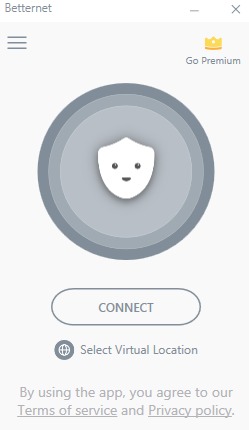
- Use a VPN: A Virtual Private Network adds an extra layer of security by encrypting your internet traffic.
- Stay Anonymous: Avoid sharing personal information. Use pseudonyms and create email accounts that don’t link back to your real identity.
- Be Wary of Links: Many links on the dark web can be dangerous. Always double-check before clicking on them.
- Avoid Illegal Activities: Steer clear of sites that offer illegal goods or services to protect yourself legally and morally.
Potential Uses of the Dark Web

While the dark web is often associated with negative activities, it also serves various important purposes, such as:
- Whistleblower Platforms: Websites that allow individuals to share information anonymously, protecting their identity from potential repercussions.
- Access to Censored Information: In countries with strict censorship, the dark web can provide access to unbiased news and information.
- Support Forums: Community support for various issues, including mental health and political activism, often exists within dark web forums.
FAQs
Is browsing the dark web legal?
Yes, browsing the dark web itself is not illegal. However, engaging in illegal activities while on the dark web can lead to serious legal consequences.
Can I get hacked while on the dark web?
Yes, the risk of hacking does increase on the dark web due to the presence of malicious actors. Proper security measures can mitigate these risks.
- This can include medical records, research papers, private forums, and networks.
- Install Norton 360 Deluxe to help secure your device, block scams, and stay private online.
- Other criminals test samples to confirm that credentials work or that personal data is legitimate.
- Your ISP only sees the encrypted VPN traffic and won’t know you’re on Tor.
- If you make use of a password manager, then it may come with a feature that monitors the dark web for mentions of your email address and password, or any other personal details.
What software do I need to browse the dark web?
You need specialized software, primarily the Tor browser, to access dark web websites effectively.
In conclusion, understanding how to browse the dark web responsibly can provide significant benefits while promoting online safety and security. By staying informed, you can navigate this complex digital landscape with greater confidence and awareness.