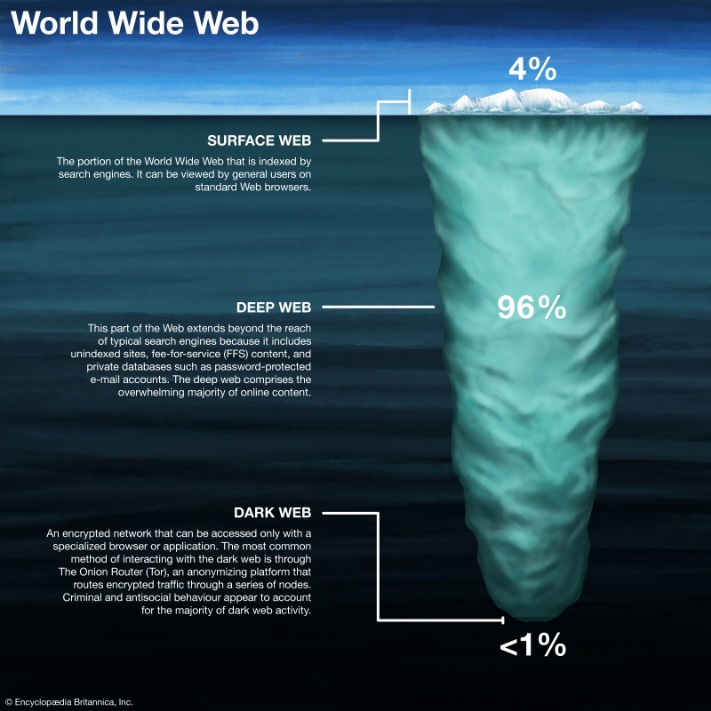
The dark deep web is a term that often evokes mystery and curiosity. It represents a part of the internet that is not indexed by traditional search engines, making it more elusive than the surface web that most users interact with daily. Understanding the dark deep web is crucial for navigating today’s digital landscape safely. This article aims to shed light on its complexities and potential risks while highlighting the importance of being informed.
What is the Dark Deep Web?
What’s more, they can also sell you personal information on the dark web as your personal data has a monetary value on the dark web. Then, they can use your data to impersonate you and run social engineering attacks to target your loved ones. Suppose you share your name, social security number, or any other personally identifiable information on any dark website.
The dark deep web comprises online content that requires specific software, configurations, or authorization to access. Unlike the surface web, which includes websites like Google, Facebook, and Amazon, the dark deep web is often cloaked in anonymity. Here are some critical aspects of this hidden segment of the internet:
While the dark web offers privacy and anonymity, it also harbours significant dangers and risks. In fact, the dark web plays a vital role in providing a space for anonymous communication and secure data sharing. But privacy is fragile – using a VPN alongside Tor and maintaining strict security habits is crucial. However, finding information can be challenging as the dark web doesn’t use a centralized index to locate content. The Tor browser conceals IP addresses and browsing activity by redirecting web traffic through a series of proxy servers operated by thousands of volunteers across the globe.
- Anonymity: Users often employ tools like Tor (The Onion Router) to access the dark deep web, which obscures their identities and locations.
- Content: It contains various types of content, from legitimate resources such as forums and privacy-focused sites to more nefarious offerings, including illegal activities.
- Accessibility: Accessing the dark deep web typically requires special browsers or software that can handle its unique protocols.
Why Do People Use the Dark Deep Web?
There are several reasons users may seek out the dark deep web, ranging from privacy concerns to illicit activities:
- Some people use it for privacy, anti-censorship access, secure communication, or research.
- We review the assigned labels for all websites included in our dataset and exclude websites with tags unrelated to cybercrime, such as “drugs,” “counterfeits,” or “weapons.”666We list all removed tags in our repository .
- We, therefore, examine more than 10 million data items extracted from underground forums, chat channels, and darknet websites.
- While some can simply install and use the Tor browser like any other, there are a few complications for those in countries where Tor is blocked, on corporate or university networks where it's banned, or where more security is needed.
- If you’ve ever signed into Gmail, checked online banking, or used a company portal, you’ve used the deep web.
- Privacy and Anonymity: Individuals living in oppressive regimes may use it to communicate freely and access uncensored information.
- Research and Investigation: Journalists and researchers might explore the dark deep web to obtain information not available on the surface web.
- Illegal Activities: This segment of the web is notorious for hosting illegal marketplaces, hacking services, and other illicit content.
Risks Associated with the Dark Deep Web
While the dark deep web has legitimate uses, it also poses significant risks that individuals should consider:
- Scams and Fraud: Numerous scams target unsuspecting users, often leading to financial losses.
- Legal Consequences: Engaging in illegal activities on the dark web can result in severe legal repercussions.
- Malware and Cyber Threats: Navigating unregulated sites can expose users to malicious software and cyber attacks.
Frequently Asked Questions (FAQs)
1. Is the Dark Deep Web illegal?
Accessing the dark deep web itself is not illegal; however, engaging in illegal activities within that space is against the law.
2. Do I need special software to access the Dark Deep Web?
Yes, software like Tor is commonly used to browse the dark web, as it provides the necessary anonymity and access capabilities.
3. Can I safely explore the Dark Deep Web?
While caution can be exercised, it is essential to note that exploring the dark deep web carries inherent risks. Maintaining cybersecurity practices is critical.
4. What are some legitimate uses of the Dark Deep Web?
Legitimate uses include activism, journalism, and communicating in repressive environments where censorship prevails.
In conclusion, the dark deep web is a complex and multifaceted realm of the internet. While it can provide asset resources for privacy and information, it is essential to approach it with caution and awareness of potential risks. Understanding this hidden segment of the internet can empower users to make informed decisions in their digital lives.