The dark web is often shrouded in mystery and intrigue, serving as a marketplace for various illicit activities. Among these is the trade of credit card information, commonly referred to as dark web CVV. Understanding the implications of this activity is essential for individuals looking to protect themselves online. This article delves into what dark web CVV means, how it operates, and the necessary precautions to safeguard personal information.
What is Dark Web CVV?
CVV, or Card Verification Value, is a security feature found on credit and debit cards, typically a three or four-digit number. On the dark web, dark web CVV refers to this security data being sold along with stolen credit card numbers. Criminals exploit vulnerabilities in payment systems, obtaining this sensitive information to carry out fraud.
We will also share some effective safety tips and discuss how virtual cards can help protect you from card fraud. The card number on a credit card is typically found in the top-left corner or along the front edge. These platforms serve as hubs for cybercriminals to buy and sell compromised payment card details. The price for cloned cards varies depending on the credit limit, with an average price of $171.
These groups often originate from leaked credit card credentials, which have become a common phenomenon, particularly in the past months. These checkers are often offered and sold on the dark web, and are complimentary tools that individuals and organizations use to verify credit card information. Group-IB’s cybercrime research unit has detected two major leaks of cards relating to Indian banks in the past several months. The use of JavaScript-sniffers, also known as Magecart, has led to a significant increase in stolen payment card data. Using a stolen card on a VBV-enabled store will likely void the card, making it useless for future purchases. Fake credit card information can be bought on the Dark Web for as little as $5.
How Does the Dark Web Work?
- The card number, expiry date, and so forth are all prominently shown on the card.
- The threat actor's marketing strategy involves leaking a large number of credit cards to attract potential clients from hacking and cybercrime forums.
- The Dark Lair is another strong contender for those looking for dark web directories beyond the Hidden Wiki.
- It is crucial to verify that you are using a current, verified .onion address because many dark web sites frequently change their URLs due to law enforcement actions or technical issues.
- Credit card details used for online fraud are cheaper and can be sent in a text message.
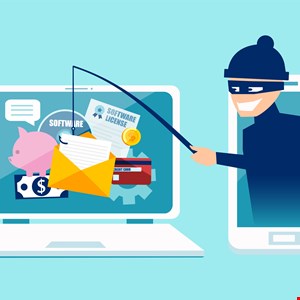
- The black market for stolen credit cards is a massive illegal business, with cybercriminals getting their hands on card data in a number of ways.
The dark web is a part of the internet not indexed by traditional search engines. Access to this hidden section requires specific software, such as Tor, which anonymizes users’ identities and locations. Within this network, various marketplaces exist, enabling the exchange of illegal goods and services, including dark web CVV. These transactions often occur using cryptocurrencies to maintain anonymity.
The Process of Buying CVV on the Dark Web
The process of purchasing dark web CVV typically involves the following steps:
- Accessing the Dark Web: Users must download the Tor browser and navigate to specific dark web marketplaces.
- Creating an Account: Most marketplaces require users to create an account, sometimes using pseudonyms to protect their identity.
- Finding Listings: Users search for stolen credit card information, which often includes CVV codes and personal details of the cardholder.
- Payment: Transactions are usually completed using cryptocurrencies to maintain anonymity and facilitate secure exchanges.
- Buyers filter stolen data by BIN ranges, bank type, and spending limits.
- In this new Tines guide, learn how your team can reduce hidden manual delays, improve reliability through automated response, and build and scale intelligent workflows on top of tools you already use.
- Is there anything scarier than an underground shop of dark web criminals sharing stolen financial data?
- Our goal is to provide insights into the latest carding methods without endorsing or encouraging any illegal actions.
The Risks Involved
Engaging in the purchase of dark web CVV poses significant risks, not just for the criminals but also for unsuspecting victims. Here are some potential consequences:
- Legal Consequences: Buying or selling stolen information is illegal and can lead to severe legal repercussions, including imprisonment.
- Financial Loss: Victims whose information has been compromised may face bank fraud, identity theft, and extensive financial loss.
- Security Concerns: Using the dark web can expose individuals to various cyber threats, including malware and hacking attempts.
Protecting Yourself from Dark Web CVV Exposure
Awareness and proactive measures can help individuals protect themselves from falling victim to dark web CVV schemes:
- Use Strong Passwords: Ensure that all online accounts are secured with strong, unique passwords.
- Monitor Financial Activity: Regularly check bank statements and credit reports for any unauthorized transactions.
- Enable Two-Factor Authentication: This adds an extra layer of security to online accounts, making unauthorized access more challenging.
- Educate Yourself: Staying informed about the latest cyber threats can help you recognize potential risks.
Conclusion
While the dark web presents a myriad of opportunities for illicit activities, understanding the concept of dark web CVV is crucial for protecting personal information. By remaining vigilant and adopting security measures, individuals can significantly reduce their risk of being affected by these dangerous practices. Awareness and education are the first steps towards a safer online experience.