While individual platforms come and go, the underlying threat patterns remain consistent. More actionable intelligence comes from observing surrounding activity across forums, chat platforms, and leak channels. These signals frequently precede phishing campaigns, account takeovers, or ransomware activity observed on the open web. Early indicators often include sample data releases, changes in vendor behavior, sudden increases in specific listing types, or discussions about breached organizations. Markets still rely on cryptocurrency, but enforcement and blockchain intelligence pressure continuecontinue to increase, which contributes to shorter market lifecycles and more sudden exits (scams or seizures). That sudden shutdown dynamic creates migration waves (vendors and datasets moving elsewhere), which is often more important for defenders than the Market’s internal mechanics.
The cards were likely compromised online, using phishing, malware, or JavaScript-sniffers, which are increasingly popular among cybercriminals. For legal reasons, the specific marketplaces used in the study remain undisclosed. Thieves often buy cards to use on specific sites that don't have security features like Verified by Visa (VBV) or MasterCard's SecureCode. Fake credit card information can be bought on the Dark Web for as little as $5. These cards can be used to make purchases online or in-store, and can even be used to withdraw cash from ATMs.
Dark web monitoring platforms, such as Lunar, provide an automated solution to safeguard personal identifiable information (PII) and credit card details. Ultimately, the strongest defense against credit card fraud involves ongoing vigilance, education, and collaboration among consumers, financial institutions, technology companies, and law enforcement agencies. These proactive and preventive measures significantly limit the financial damage and help protect customers from the pervasive threat of credit card fraud. While this doesn’t eliminate all types of card fraud (such as online transactions), it significantly hampers criminals’ ability to use physically cloned cards in brick-and-mortar stores. Banks use sophisticated fraud monitoring systems to continuously oversee credit card transactions. Before making a purchase, experienced buyers often validate the authenticity and usability of the offered credit card data using online tools known as card checkers.
The world of online commerce has revolutionized the way we buy and sell goods and services. However, this convenience has given rise to illicit activities, among which are credit card black market websites. Understanding these platforms is essential for individuals to protect themselves from fraud and identity theft. This article delves into how these websites operate, the risks associated with them, and ways to safeguard your financial information.
Credit Card Black Market Websites
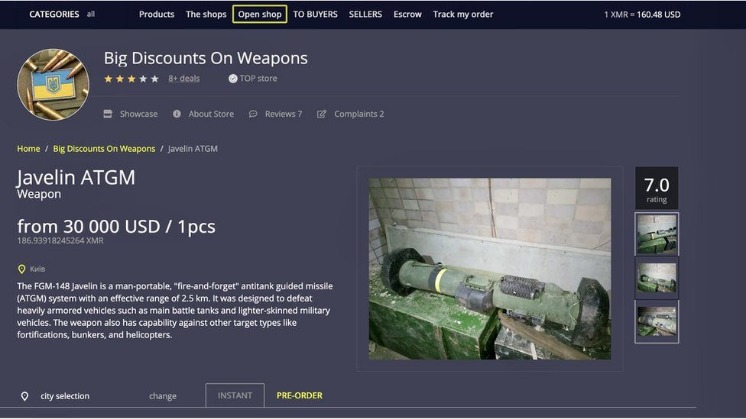
Credit card black market websites are online platforms where stolen credit card information is bought and sold. These sites operate in the shadowy corners of the internet and are often hidden from regular search engines. They typically offer various types of stolen data, including full credit card details, personal identification information, and even hacking services. Understanding these websites can help consumers become more vigilant.
- The same seizure announcement notes that authorities took action against both darknet and traditional internet domains, indicating that the marketplace relied on a broad domain footprint rather than a single, stable presence.
- Individuals caught engaging in carding activities commonly face charges including identity theft, fraud, conspiracy, and computer-related crimes.
- ToRReZ Market is a wallet-less market, which means you only send funds when making an order.
- The very first of these marketplaces to pair the darknet with Bitcoin was the Silk Road.
- If you have a low credit rating, you might need to choose a secured card as it provides a chance to enhance your credit score while mitigating the risk for the credit card company.
How They Operate
Types of Stolen Data
Credit card black market websites offer various types of stolen data, including:
- Credit card numbers: Just the card number, which can sometimes be used for online purchases.
- Fullz: This term refers to complete profiles that include names, addresses, Social Security numbers, and credit card details, giving criminals everything they need to commit identity theft.
- Account access credentials: Login information for various online services, including banking and shopping sites.
Risks of Engaging with Black Market Activities
Protecting Yourself
- Monitor your accounts regularly: Check bank statements and credit reports for unauthorized transactions.
- Use strong passwords: Combine letters, numbers, and symbols to create strong, unique passwords for all accounts.
- Enable two-factor authentication: Add an extra layer of security wherever possible.
- Be cautious with sensitive information: Share personal data only with trusted sources and avoid public Wi-Fi for financial transactions.
Conclusion
Recognizing the existence and functionality of credit card black market websites is crucial in today’s digital world. By understanding their operations and the potential risks associated with them, individuals can better protect themselves against fraud and identity theft. Empowering yourself with knowledge is the first step toward safeguarding your financial future.