Now more than ever before, our credit and identities are at risk from cybercriminals, thieves, and hackers. And with just one click, you can turn on Bank Mode to put all your passwords, personal data, and banking details behind an extra-thick security wall. The application is a cash app money generator that you can try on your device. This usually comes in the form of sending them money over some cash application. Our marketplace provides a vast array of goods, emphasizing user security and anonymity in every transaction. Similarly, sharing your Cash App tag on social media or other public platforms might make you a target for social engineering attacks.
In today's digital age, protecting personal finances is more critical than ever. With increasing incidents of fraud and cybercrime, it is essential to understand the risks associated with financial applications like Cash App. One such risk that has surfaced in discussions is the dark web Cash App hack. While this topic might seem alarming, it is crucial to be informed about how these hacks occur and how individuals can safeguard themselves against potential threats.
According to the company's data at the July 2010 announcement, half of the site's membership used Facebook daily, for an average of 34 minutes, while 150 million users accessed the site by mobile. In September 2017, WikiLeaks released "Spy Files Russia," revealing "how a St. Petersburg-based technology company called Peter-Service helped state entities gather detailed data on Russian cellphone users, part of a national system of online surveillance called System for Operative Investigative Activities." Get unlimited free cash app money @ cash app hack 2022 online tool.How To Hack Cash App A recent Vice article explored the world of hackers using malware and stealing login codes to sell Cash App accounts on the dark web. While Cash App itself is secure, hackers may target individual accounts through the dark web using various methods. With the rise of digital payment platforms like Cash App, more and more hackers are turning to the dark web to find vulnerabilities and exploit users.
Not only did he lose his “investment” — but the scammers also took over Thompson’s Facebook account and scammed his close friends and relatives out of thousands of dollars. The business will also likely suffer a revenue decline, yet the company’s app is too ubiquitous to fall out of favor with the masses. No one really knows the size of the dark web, but most estimates put it at around 5% of the total internet.
Understanding the Dark Web
The dark web is a part of the internet that is not indexed by traditional search engines. It's often associated with illegal activities and is a marketplace for illicit goods and services. Users on the dark web can find anything from drugs to stolen financial data, including credentials for various payment apps like Cash App. Recognizing the nature of the dark web can help people understand the significance of protecting their financial information.
The Mechanics of Cash App Hacks

To hack into a Cash App account, cybercriminals typically employ various tactics, including:
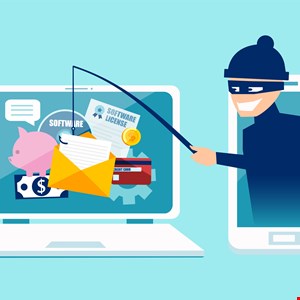
- Phishing Scams: Attackers may send fake emails or texts that appear to be from Cash App, prompting users to enter their login details.
- Malware: Users can unknowingly download malicious software that captures sensitive information, such as passwords and financial data.
- Social Engineering: Scammers might manipulate individuals into revealing their account credentials by pretending to be legitimate representatives of Cash App.
Signs of a Potential Hack
Being aware of the signs that indicate a Cash App account might be compromised can prevent further damage:

- Unexplained transactions on your account
- Account lockouts or difficulty logging in
- Unsolicited communications from Cash App requesting verification
Protecting Yourself from Cash App Hacks
Taking proactive measures can significantly enhance the security of your Cash App account:
- In May 2014, Facebook introduced a feature to allow users to ask for information not disclosed by other users on their profiles.
- First, Starks contacted Cash App via email, but they needed time to investigate the transaction.
- The history of Facebook traces its growth from a college networking site to a global social networking service.
- Tech support scams are among the most common tactics that fraudsters use to scam Cash App users.
- WikiLeaks has been challenged for this practice, as it is seen to be hypocritical for an organisation dedicated to transparency to limit the transparency of its inner workings and limit the accountability of powerful individuals in the organisation.
- Enable Two-Factor Authentication: This adds an extra layer of security by requiring a second form of verification when logging in.
- Use Strong Passwords: Create complex passwords that combine letters, numbers, and special characters, and avoid using easily guessable information.
- Be Wary of Public Wi-Fi: Avoid accessing financial apps over unsecured Wi-Fi networks, as they can be vulnerable to hackers.
- Regularly Monitor Transactions: Keep an eye on your transaction history to catch any unauthorized activity quickly.
What to Do If You Have Been Hacked
If you suspect that your Cash App account has been compromised, it's essential to act swiftly:
- Change Your Password Immediately: This should be your first step. Make sure to follow up with updating security questions as well.
- Contact Cash App Support: Report the unauthorized transactions and seek assistance in securing your account.
- Monitor Your Financial Statements: Keep an eye on your bank account and credit card statements to detect any suspicious activity.
Conclusion
The dark web Cash App hack is a serious concern in our increasingly connected world. Awareness and education play crucial roles in protecting personal information and finances. By understanding the threats and adopting appropriate security measures, individuals can significantly reduce their risk of becoming victims of cybercrime. Stay informed, stay safe, and always prioritize your financial security.