The internet is a vast and intricate web of information, but within it lies a lesser-known realm often referred to as the dark web. This area is distinct from the surface web, where the majority of users spend their time, and is known for its anonymity and privacy features. In this article, we will explore what the dark web is, how to access it, the types of content available, and the safety precautions users should take when navigating this hidden part of the internet.
Understanding the Dark Web
- Obviously, since these websites don’t show up in the Google search engine, it can be a relatively hard task to find them.
- For dark websites, you need to enter the specific Onion URL you wish to visit into the browser's address bar.
- It also allows you to identify trusted users and prevents accidental sharing of personal information.
- Activity linked to ransomware continued to rise in 2026, with underground data showing a sharp increase in the number of victims listed on leak sites.
- You’ll be able to share anything from private messages to passwords across the dark web.
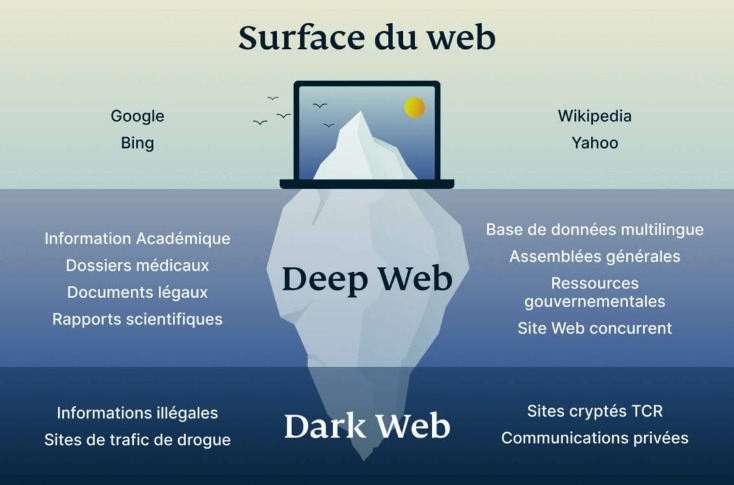
Deep web refers to anything on the internet that is not indexed by and, therefore, accessible via a search engine like Google. Researchers Daniel Moore and Thomas Rid of King’s College in London classified the contents of 2,723 live dark web sites over a five-week period in 2015 and found that 57% host illicit material. The dark web is a part of the internet that isn’t indexed by search engines. Downloading anything online can be dangerous, let alone the hidden internet. Although it requires more work, it provides tech-savvy users with a more familiar interface with better security for accessing Tor through a proxy. I2P’s most attractive angle is to access its own internal eepsites, which are its version of .onion sites.
The dark web is a segment of the internet that requires specific software to access. Unlike traditional websites that are indexed by search engines, content on the dark web is intentionally hidden and often encrypted. This makes it a hub for users seeking privacy, whether for legitimate or illicit reasons. However, it's important to note that not everything on the dark web is illegal; it can also host forums for political activism, whistleblowing, and discussions that might be dangerous in less free societies.
Given the associations that the dark web has and some of the illegal activities that take place on it, you won't find a huge number of well-known websites on there—a lot of the dark web is made up of sites, wikis, and forums maintained by volunteers. Some of the websites to look out for on the dark web include mirrors of both the BBC and the ProPublica investigative journalism platforms, built to help inform people who are living in countries where the internet is heavily censored. Other dark web search engines worth investigating are Ahmia, Torch, NotEvil, and the Onion URL Directory—just type out some keywords for what you're looking for. The dark web comes with its own set of tools and services, including web browsers and search engines (which I'll get on to in a moment).
Accessing the Dark Web
To access the dark web, users typically download the Tor browser, a tool designed to enable anonymous communication. The Tor network routes your connection through several randomly selected servers, concealing your IP address and allowing for the anonymous browsing of sites with .onion domains. It’s crucial to remember that connecting to the dark web comes with its risks and challenges, emphasizing the need for users to be well-informed and cautious.
Content Available on the Dark Web
The dark web offers a range of content, including forums, black market services, and information exchanges. Here are some categories of what you might find:
- Illegal Activities: This includes marketplaces for drugs, weapons, and stolen data.
- Privacy-Focused Services: Many users seek anonymity due to oppressive regimes; hence, you'll find services that enhance privacy and free speech.
- Whistleblowing Platforms: Platforms like SecureDrop allow whistleblowers to share information securely.
- Discussion Forums: Communities discussing sensitive topics including politics, technology, and more.
Risks of Browsing the Dark Web
While the dark web has legitimate uses, it is also fraught with dangers. Users risk encountering scams, malicious software, and potentially harmful content. Moreover, engaging in illegal activities can result in severe legal consequences. It's essential for those who venture into the dark web to prioritize their safety:
- Use a VPN to add an extra layer of security.
- Do not share personal information.
- Be cautious of links and downloads that could install malware.
Staying Safe on the Dark Web
To enhance your safety while browsing the dark web, it’s important to follow best practices:
- Regularly update your security software to protect against threats.
- Keep your operating system up to date.
- Be wary of who you interact with; not everyone has good intentions.
- Educate yourself about common scams and fraudulent schemes.
Conclusion
Browsing the dark web can be a double-edged sword—offering both opportunities for privacy and the potential for danger. Users should approach this hidden side of the internet with caution and knowledge. Whether seeking anonymity or exploring topics not easily discussed on the surface web, informed decisions can help navigate the complexities of the dark web safely and responsibly.