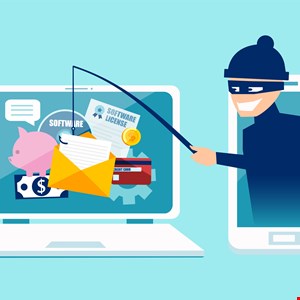
The dark web, a hidden part of the internet that requires special software to access, is often associated with illegal activities, including the buying and selling of stolen credit cards. Understanding this aspect can not only raise awareness about internet safety but also equip individuals with the knowledge to protect themselves from potential fraud. This article will explore the dynamics of how credit cards are traded on the dark web, the implications of these activities, and ways individuals can safeguard their personal information.
A common form of malware known as a “keylogger” captures every keystroke, including credit card numbers and passwords entered during online transactions. For instance, a widespread phishing campaign in 2022 impersonated PayPal and directed recipients to fraudulent websites resembling PayPal’s login page, successfully harvesting thousands of credit card details. Major breaches, such as those affecting large retail companies and financial institutions, often involve tens of millions of compromised credit card records, underscoring the vast scale and persistent threat posed by carding. According to a 2023 report by the Federal Trade Commission (FTC), U.S. consumers reported losing more than $8.8 billion to fraud in the previous year alone, with credit card fraud accounting for a substantial portion of these losses.
Another major blow to dark-web carding activities was the 2019 data seizure from BriansClub, a popular dark-web marketplace specializing in stolen card information. By combining real-time transaction monitoring, artificial intelligence, customer alerts, chip-based technology, and multi-factor authentication, banks and financial institutions form a robust defensive layer against carding. Financial institutions and banks dedicate significant resources to combat credit card fraud, investing heavily in advanced monitoring systems, artificial intelligence, and customer education programs. Buyers—often called “carders”—carefully select cards based on criteria such as credit limits, cardholder locations, and issuing banks to maximize potential financial returns. Joker’s Stash gained notoriety due to its massive inventory of millions of stolen cards, advanced security measures, and sophisticated user interface.
Dark Web Buy Credit Cards
The Experian Smart Money™ Debit Card is issued by Community Federal Savings Bank (CFSB), pursuant to a license from Mastercard International. Download the free Experian appCarry trusted financial tools with you Experian is a globally recognized financial leader, committed to being a Big Financial Friend—empowering millions to take control of their finances. Ben Luthi has worked in financial planning, banking and auto finance, and writes about all aspects of money.
The process of dark web buy credit cards typically involves various online forums and marketplaces that operate anonymously, using cryptocurrencies to facilitate transactions. These platforms can be accessed using specific software like Tor, which helps to mask users' identities and locations.
How They Are Sold
Stolen credit card information is often sold in bulk on these dark web platforms. Sellers provide various details, including the card number, expiration date, and CVV code. Some listings may even offer additional information such as the cardholder's name and address, increasing the potential for misuse. Prices can vary widely depending on the card type and the amount of information available.
- Leaked credit cards from Telegram channels account for the overwhelming majority of compromised payment card details.
- Card data is a hot commodity on the dark web, with credit card details and cloned cards being sold to cybercriminals.
- "Even though the biggest number of card details found for sale were from these 3 countries, this doesn’t mean that they are the most vulnerable," said the release was issued under the company's NordVPN software brand.
- Early detection enables your security team to prevent a transaction, minimizing the risk of a chargeback.
- Though it's a bit trickier for card-present fraud, which involves taking a blank credit card and imprinting the stolen data onto that card via the magnetic stripe on the back.
The Risks Associated
- The dark web forms a small part of the deep web, but requires custom software in order to access its content.
- These stolen cards can be used for financial gain through unauthorized charges, account takeover, and identity theft.
- When a victim falls for a card skimmer and inserts or swipes their card, their card gets scanned and the card information is sent to the threat actor through Bluetooth.
- Check your bank and credit card statements frequently—at least weekly—for unfamiliar transactions, even small ones, as criminals often test stolen cards with minor charges.
- There’s a wealth of information shared among carders—from how to bypass anti-fraud systems to practical guides on using stolen credit cards—all of which helps keep the ecosystem active and evolving.
- Download the Tor Browser, which is specifically designed to access websites on the Dark Web, and use it as your gateway.
Engaging in the economy of the dark web buy credit cards poses significant risks. First, while purchasing such information might seem tempting for illicit purposes, individuals can face severe legal consequences if caught. Law enforcement agencies are increasingly monitoring dark web activities and collaborating internationally to combat cybercrime.
Moreover, the use of stolen credit cards can lead to identity theft and financial loss for the victims. Once a credit card is compromised, the original cardholder may face months of complications while disputing fraudulent charges and rectifying their financial standing.
Protecting Yourself
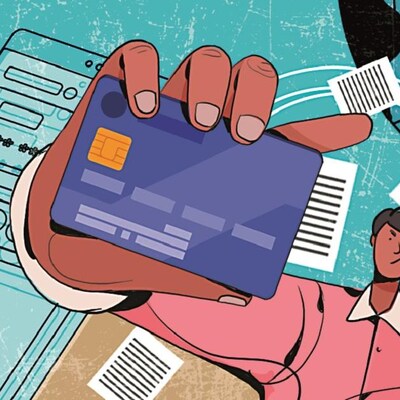
Awareness and proactive measures are vital in safeguarding personal information. Here are some tips to help protect against credit card fraud:
- Monitor Your Accounts: Regularly check your bank statements and credit reports for any unauthorized transactions.
- Use Strong Passwords: Utilize complex passwords that are difficult to guess and change them regularly.
- Employ Two-Factor Authentication: Enable two-factor authentication wherever possible to add an extra layer of security to your financial accounts.
- Educate Yourself: Understanding the workings of the dark web can help individuals recognize the signs of potential fraud and the tactics used by cybercriminals.
Conclusion
While the dark web buy credit cards market remains a significant concern, staying informed is the first step toward protection. By understanding how these illegal transactions occur and implementing effective security measures, individuals can better defend themselves against credit card fraud and identity theft. In an ever-evolving digital landscape, knowledge truly is power.