The dark web access has become a topic of intrigue and concern in recent years. While often associated with illegal activities, the dark web serves various purposes, including privacy protection and anonymous communication. This article aims to demystify the dark web, outline its functionalities, and educate readers on safe practices for accessing this hidden part of the internet.
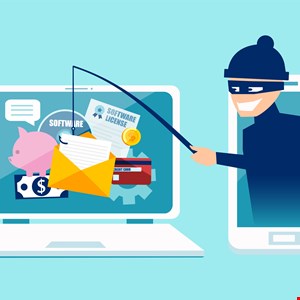
Many of the best general deep web search engines, like Alltheweb, DeeperWeb, and CompletePlanet, have shut down or been acquired. That information is hidden simply because most users won’t find it relevant. The dark web has no shortage of criminal activity, scams, phishing sites, suspicious links, and malware designed to trick newbies. Internet providers and websites can detect when Tor is being used because Tor node IPs are public.
What is the Dark Web?
The dark web refers to parts of the internet that aren't indexed by traditional search engines. It requires specific software, configurations, or authorization to access. The most common method to reach the dark web is through the Tor network, which anonymizes users' identities, allowing them to browse websites with a .onion extension. Understanding how to navigate this space safely is crucial for anyone considering dark web access.
Why Do People Access the Dark Web?
Privacy and Anonymity
One of the main reasons users seek dark web access is for privacy. Individuals in oppressive regimes may use dark web tools to communicate freely without the fear of government surveillance. Activists, journalists, and whistleblowers often rely on this anonymity to share sensitive information and protect their identities.
Information Sharing
The dark web is also a hub for sharing information that may not be welcome in conventional forums. Certain communities flourish in the anonymity the dark web provides, discussing topics from political dissidence to sensitive health-related issues. Users can access forums and sites where such information is freely exchanged.
Marketplaces
- Deep down, the tip of the iceberg is where over 90% of the internet content is.
- Noah's search for his daughter leads to his initiation into Sic Mundus by Adam in 1920.
- As many as 70.79% of users claim to use the Tor browser for anonymity, 62.28% said they use it for additional security, and 27.07% used it out of curiosity about the dark web.
- It routes traffic through service nodes operated by stakers in the network, creating a decentralized onion routing system that hides your IP and traffic.
- That means that when Tor is compromised, or perhaps there’s a new vulnerability exploit in the Tor network, a VPN will still protect your privacy.
- The dark web hosts a variety of content, including anonymous forums, marketplaces selling illegal goods (like drugs and weapons), hacking services, and information stolen in data breaches.
Various marketplaces exist on the dark web, some selling illegal goods and services. However, not all marketplaces trade in illicit items; some focus on privacy-focused products or alternative currencies. It's essential for potential users to exercise caution and discernment when exploring these avenues.
How to Access the Dark Web Safely
Use a Reliable VPN
Before attempting dark web access, using a Virtual Private Network (VPN) is crucial. A VPN encrypts your internet connection, providing an additional layer of security while you browse. This helps protect your identity from potential threats.
Download the Tor Browser
To access the dark web, you will need the Tor browser, specifically designed for anonymous browsing. Ensure you download it from the official website to avoid phishing attempts or malware.
Practice Safe Browsing Habits
When navigating the dark web, be cautious about sharing personal information. Use pseudonyms and avoid financial transactions unless you thoroughly understand the risks involved. Staying informed about common scams and threats can help mitigate potential dangers.
Legal Implications of Dark Web Access
Engaging with certain activities on the dark web can have legal ramifications. Users should be aware that while browsing, downloading, or participating in illegal activities can lead to serious consequences. It's essential to educate oneself on both the ethical and legal aspects surrounding dark web use.
Conclusion
The dark web access can be a double-edged sword, offering valuable resources for privacy and freedom of expression while also posing significant risks. Understanding how it works and employing safe practices is vital for anyone considering exploring this hidden part of the internet. By staying informed and cautious, users can navigate the dark web responsibly and effectively.