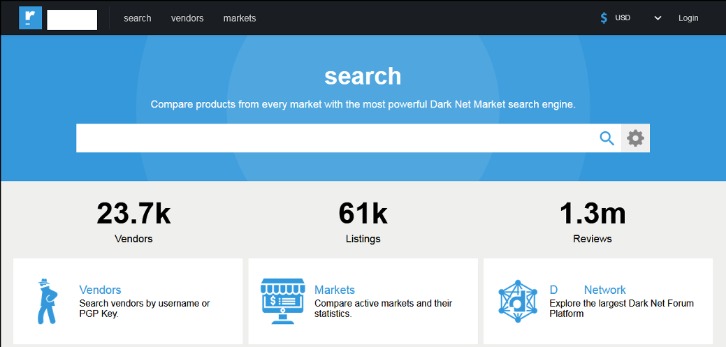
The current darknet market serves as a complex ecosystem where anonymity reigns and a variety of goods and services are exchanged. While it may seem like an underground haven for illicit activities, it is essential to understand its structure, functionality, and the implications of its use. This knowledge is crucial for anyone interested in cybersecurity, digital privacy, or simply staying informed about the evolving digital landscape.
I’ve poked around; it’s not overwhelming, just a tight selection that works—think curated over chaotic. It’s not as massive as Abacus, but quality’s on point—vendors deliver, and the community’s buzzing on Dread about it. It’s not the biggest player like Abacus, but it’s got a loyal crew and uptime that rarely blinks. ASAP is a tech nerd’s playground—accepting BTC, LTC, ZCash, and Monero, it’s got options for days. I’ve heard they’re planning a vendor explosion in 2026—could mean hundreds more listings if they pull it off, maybe rivaling Abacus.
Current Darknet Market
This isn’t just a quick list; it’s the full scoop on what they offer, how they keep things tight, and why they’re worth your time—or not. The number of listings ranged from 38 to 16,296, and the total number of sales ranged from 0 to 237,512. The market was eventually seized in 2013, and the founder, Ross Ulbricht, was sentenced to two life sentences plus 40 years without the possibility of parole.
The darknet operates on a segment of the internet that is not indexed by traditional search engines. Accessing these markets often requires specialized software, such as Tor, which anonymizes user identities and locations. Here’s what you should know about the current darknet market:
By learning how markets operate and protect themselves, security teams can better spot when their company’s data is being traded. Created in 2011, it combined Tor’s anonymity, a Bitcoin escrow model, and a vendor feedback system into a marketplace, selling everything from drugs to books. The categories range from drugs to digital goods to fraud services, so it is an easy place for many buyers to shop. The listings include the usual dark web varieties of drugs, digital services, counterfeit documents, etc. Also, these hidden services have a history of shutdowns, so you can never know when Trapify (like any other illicit market) shuts down. Millions use it daily, and its underground economy from drugs to stolen data is billions of dollars strong.
Key Features of Current Darknet Markets
- Anonymity: Users and sellers often employ various methods to maintain anonymity, including the use of cryptocurrencies like Bitcoin.
- Diverse Offerings: Products and services range from illegal substances to hacking services, counterfeit documents, and even paraphernalia associated with various activities.
- Reviews and Ratings: Just like eBay or Amazon, users can rate sellers, providing an element of trust and accountability within an otherwise unregulated market.
- Escrow Services: Many platforms use escrow systems to ensure that transactions are secure and mitigate the risk of scams.
Risks and Challenges
Despite the allure of the current darknet market, engaging in activities within it poses significant risks:
- Legal Consequences: Participation in illegal transactions can lead to criminal charges and severe penalties.
- Scams: The risk of fraud is high, with many users falling prey to sellers who never deliver on their promises.
- Cybersecurity Threats: Users frequently encounter malware and phishing scams devised to exploit their vulnerabilities.
How to Stay Safe if Exploring
For those who choose to navigate the current darknet market, it’s essential to prioritize safety. Here are some tips:
- Use a VPN: In addition to Tor, a Virtual Private Network (VPN) can further protect your identity.
- Research Sellers: Take the time to read reviews and only engage with highly rated vendors.
- Limit Personal Information: Never share personal details that can link you back to traditional identities.
- Be Aware of Scams: Always be skeptical and verify before making any purchases.
FAQs about the Current Darknet Market
- Because it’s newer, some users were initially wary new markets can be scams, but TorZon proved itself by not exit scamming during its first year and by implementing community friendly features.
- Experienced users typically prefer marketplaces with robust vendor rating systems, detailed feedback options, and transparent dispute resolution processes.
- Its commitment to privacy, diverse product offerings, and robust security measures make it a preferred choice for users seeking discreet transactions within the darknet.
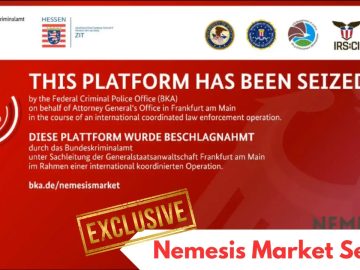
- The challenge is that law enforcement may successfully take down a market, but it often re-emerges elsewhere.
- TRM observed approximately USD 11.4 billion in total crypto activity in Iran in 2024 and roughly USD 10 billion in 2025, including both inbound and outbound flows.
- If you want to buy something, deposit cryptocurrency in your wallet, and you will be charged directly.
Q1: What types of products are commonly sold on the darknet?
A1: The darknet offers a wide range of items, from illegal drugs and counterfeit currencies to hacking services and personal data.
Q2: Is it illegal to browse the darknet?
A2: While browsing the darknet itself isn't illegal, engaging in transactions for illegal goods or services certainly is.
Q3: Can law enforcement track darknet activity?
A3: Law enforcement agencies have developed methods to track and investigate darknet activities, despite the anonymity the network provides.
Q4: Are all darknet markets the same?
A4: No, darknet markets vary significantly in terms of user experience, product offerings, and security measures; some are more reputable than others.
Understanding the current darknet market is essential for anyone concerned about digital privacy, cybersecurity, and the implications of anonymous transactions. Stay informed, weigh the risks carefully, and maintain vigilance in navigating this hidden corner of the internet.