Due to public pressure, President Néstor Kirchner ordered the military to bring charges against the three for justifying the crimes of the dictatorship. However, the school remains controversial due to its influence over affairs in Latin America and its education of Latin American state actors on crimes against humanity within the military and law enforcement. After leaving the US government, Kissinger congratulated Argentina's military junta for combating the left, stating that in his opinion "the government of Argentina had done an outstanding job in wiping out terrorist forces". In 1980, the Argentine military helped Nazi war criminal Klaus Barbie, Stefano Delle Chiaie and major drug lords mount the bloody Cocaine Coup of Luis García Meza Tejada in neighbouring Bolivia.
In recent years, the rise of the internet has transformed various aspects of society, including commerce. Among the most intriguing phenomena is the emergence of dark markets Argentina. These online platforms facilitate the trade of goods and services, often operating in the shadows of legality. Understanding how these markets function is crucial for both consumers and law enforcement, as the implications of their existence can be far-reaching. This article delves into the world of dark markets in Argentina, exploring their characteristics, risks, and impact on society.
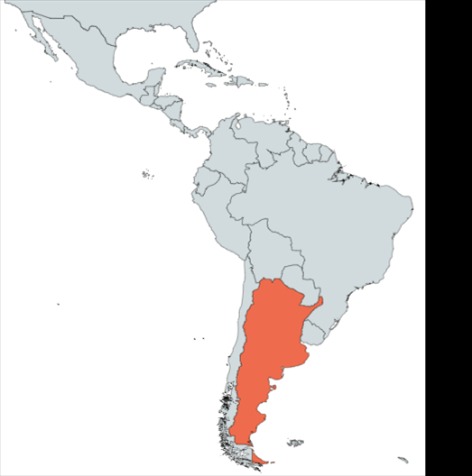
The article explores the complex and critical role of the Tri-Border Area (TBA) of South America, where Argentina, Brazil, and Paraguay meet, as a hub for global illicit trade and dark networks. For local transactions, an exchange rate known as “dolar MEP” is used, while the blue-chip swap rate, or “dolar CCL,” is employed for operations that finish abroad. The same behavior was reflected in the blue-chip financial dollar rate, known locally as the “contado con liquidación”, which was rising 7% to ARS$646.5. Meanwhile, the government-controlled “official” exchange rate was moved up to ARS$350 today, a more-than 20% jump from where it had ended last week. Accumulated inflation during the Alberto Fernández administration has surpassed the 500%-mark, while the “blue” exchange rate has soared close to 900% over the same period. The black market rate is the most famous in the country, used largely for all-cash transactions.
What Are Dark Markets?
In 1975, President Isabel Perón, under pressure from the military establishment, appointed Jorge Rafael Videla commander-in-chief of the Argentine Army. Repression affected trade unionists of large firms such as Ford, Fiat, Renault, Mercedes-Benz, Peugeot and Chrysler and was sometimes carried on with support from the firms' executives and from the trade unionist bureaucracies. Many citizens and 150 activists and trade unionist leaders were arrested while the Unión Obrera Metalúrgica's subsidiary in Villa Constitución was closed down with the agreement of the trade unions' national direction, headed by Lorenzo Miguel. The government, presided temporarily by provisional president of the Senate Ítalo Luder from the Peronist party, replacing Isabel (who was ill for a short period), issued three decrees, 2770, 2771 and 2772.
Dark markets are online platforms that operate outside the confines of legal regulations, often facilitating the sale of illicit goods and services. These markets commonly include drugs, counterfeit merchandise, and hacking services, among other illegal activities. They utilize specific software, like Tor, to ensure anonymity and evade law enforcement. In Argentina, these platforms have gained traction as internet accessibility and digital privacy awareness grow.
The Structure of Dark Markets
Dark markets typically employ a decentralized structure, allowing users to transact without a central authority overseeing their activities. This anonymity is achieved through cryptography and the use of cryptocurrencies, which further conceals users' identities. Many dark markets have a rating system, similar to e-commerce platforms, where buyers and sellers can assess each other's reliability and service quality before completing transactions.
Popular Goods and Services
While dark markets can offer a broad range of items, certain categories have emerged as particularly prevalent in dark markets Argentina. Some of the most common include:
- Drugs: Various illegal substances such as marijuana, cocaine, and synthetic drugs are frequently sold.
- Counterfeit Products: Items like fake designer clothing, electronics, and documents often appear on these platforms.
- Hacking Services: Services that range from identity theft to DDoS attacks are accessible to users willing to pay.
Risks Associated with Dark Markets
- Furthermore, we will discuss how cryptocurrencies may create opportunities for LEAs in broader financial investigations, particularly in the realm of money laundering.
- Illegal market transactions usually occur under the table to let participants avoid government price controls or taxes.
- Perhaps the most obvious manifestation is the existence of the “blue dollar,” a euphemism for the black market for U.S. dollars in Argentina.
- Patterns recommended to avoid include hiring hitmen like Dread Pirate Roberts, and sharing handles for software questions on sites like Stack Exchange.
- Turf-wars between rival factions are common, with the result that the cities and towns on all sides of the TBA are characterized by some of the highest homicide rates, both in their respective countries and the region more generally.
While the allure of anonymity and access to restricted goods may attract users to dark markets, there are significant risks involved:
- Legal Consequences: Engaging in transactions on these platforms can result in severe legal repercussions, including fines and imprisonment.
- Fraud: Users may encounter scams, receiving counterfeit goods or nothing at all after payment.
- Cybersecurity Threats: Users can expose themselves to hacking, data breaches, or malware from malicious sellers.
The Role of Law Enforcement
Governments and law enforcement agencies are increasingly vigilant regarding dark markets Argentina. They employ various strategies to monitor and dismantle these platforms, such as undercover operations, surveillance, and technological advancements in cybercrime detection. However, the decentralized nature of these markets makes regulation challenging.
Awareness and Education
It is essential for the general public to stay informed about the dynamics of dark markets. Education can equip individuals with the knowledge to avoid potential dangers and understand the broader societal impacts of these clandestine operations. Informing communities about the risks and legal implications can foster a safer online environment.
Conclusion
Dark markets in Argentina present a complex interplay of opportunity and risk. While they may provide access to otherwise unreachable goods, the potential consequences can be life-altering. Navigating this shadowy landscape requires caution and awareness. By understanding the nature of dark markets, individuals can make more informed decisions, contributing to their safety and the well-being of society as a whole.